Gentle Rhythms of Light for Restful Small Spaces

Today we explore circadian lighting strategies for relaxation in compact rooms, translating chronobiology into practical choices that soothe the nervous system without wasting space or energy. Expect approachable guidance on timing, spectrum, brightness, and placement, plus stories and tips that help a small room feel expansive, calm, and naturally aligned with your body’s internal clock. You will learn simple habits and affordable tools that create evening serenity, deeper sleep cues, and mindful mornings, all within the cozy boundaries of a modest floor plan.

Morning priming without harshness

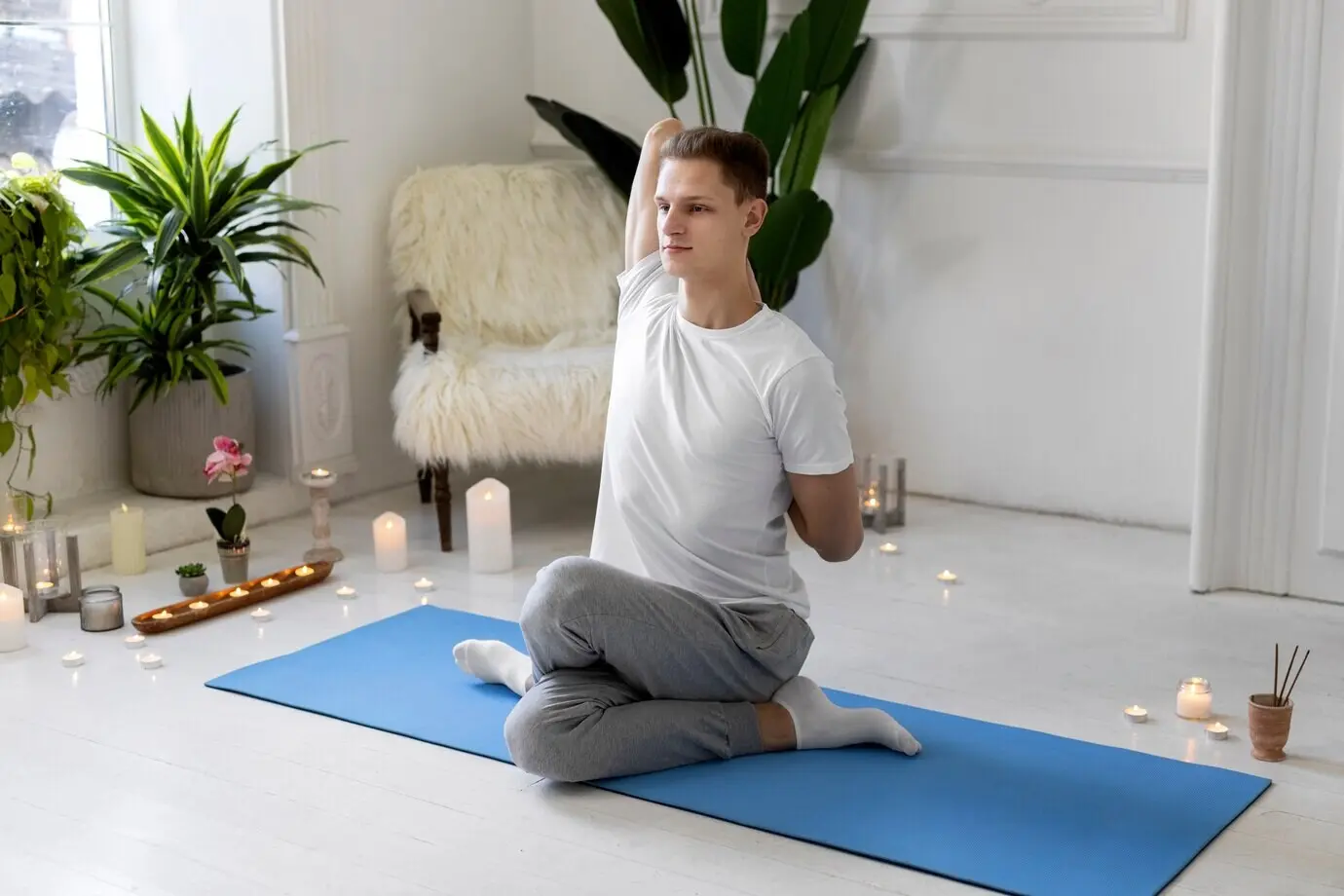
Aim for bright but gentle exposure that lands mostly in your upper visual field, which your circadian system reads as daytime. Use a cool to neutral lamp near where you stretch or journal, then bounce it off a pale wall to avoid squinting. If you have a window, pull sheer curtains to spread daylight rather than blasting the eyes. Keep the first hour intentional, avoiding phone glow in darkness, and let light guide alertness before caffeine steals the spotlight.

Afternoon steadiness in limited space
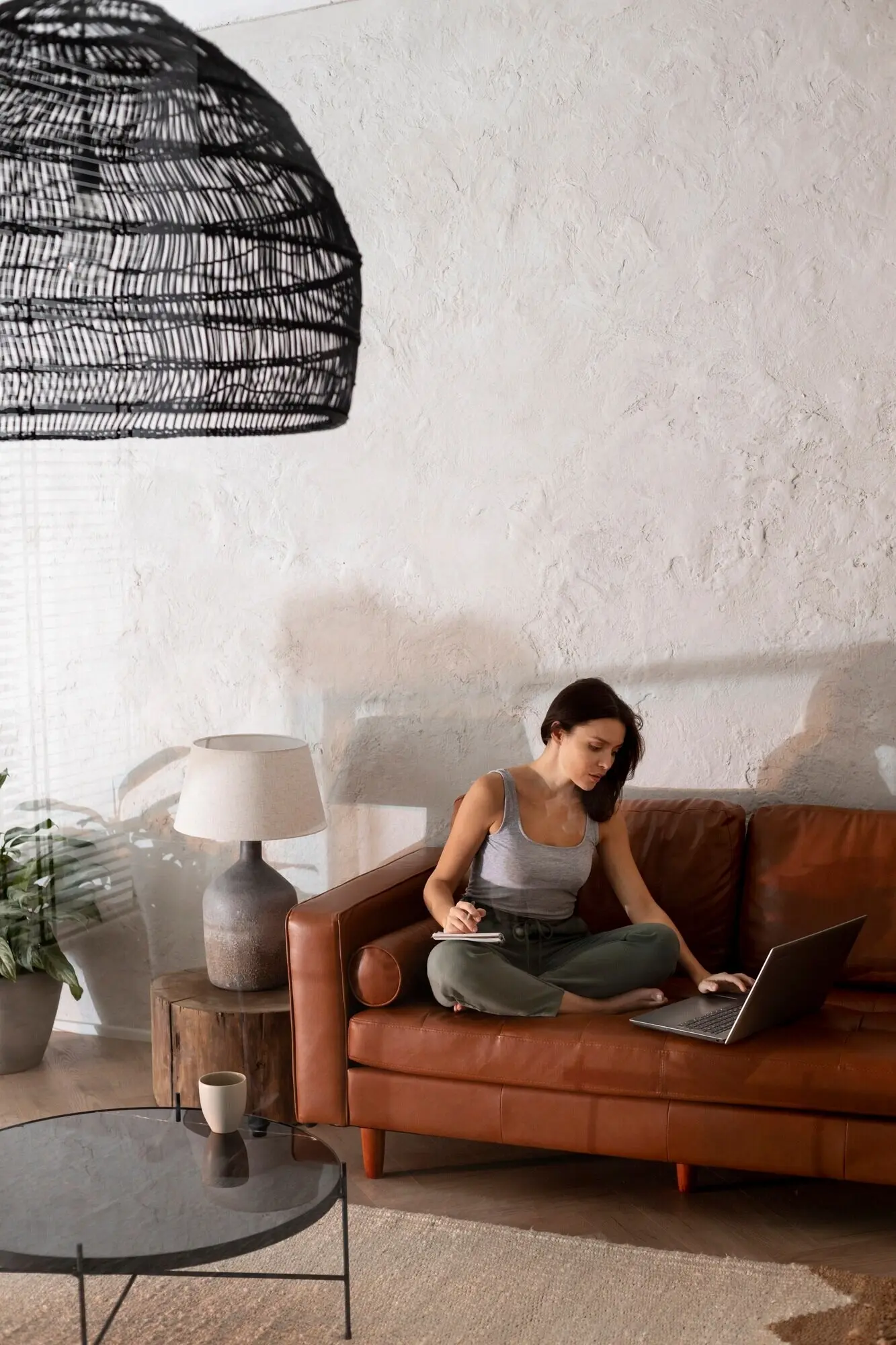
Afternoons ask for stable, comfortable illumination that sustains energy without overstimulation. Use neutral white light with moderate brightness and maintain consistent angles that minimize reflections off glossy surfaces. In compact rooms, a single overhead fixture can feel glaring, so pair it with a shaded desk lamp or floor lamp to balance luminance. Keep the brightest zone where you work and gradually soften the surroundings, creating a visual gradient that feels spacious and calm while helping concentration endure without eye strain.

Evening wind down signals that fit on a shelf

After sunset, shift the spectrum warm and the intensity low to let sleep chemistry gather. A small amber lamp on a shelf, under cabinet tape light behind a lip, or a lantern style fixture with a fabric shade can whisper calm in very little real estate. Keep sources below eye level, avoid any shine on screens or picture glass, and dim slowly while you transition into reflective activities. The ritual teaches your body that night is safe, quiet, and unhurried.

Layered Illumination That Breathes With You

Layering brings depth and control to a compact room, helping you tune the scene from morning brightness to evening softness without rearranging furniture. Combine ambient fill for overall comfort, task lighting for specific actions, and accent light for mood and visual interest. This trio reduces glare by sharing the workload across multiple sources. It also allows small, inexpensive fixtures to do outsized work, creating a gentle rhythm across the day that matches your energy and supports restorative routines.

Color, Spectrum, and the Science of Calm

The body’s clock does not respond to brightness alone. Spectrum matters, especially blue weighted wavelengths that signal daytime. Use cooler tones earlier and warm tones later, ideally with lamps that dim smoothly and shift color. Seek high color rendering so skin, wood, and textiles look inviting, not gray. Avoid aggressive spikes and visible flicker that can agitate. With a few informed choices, you can ease into evening without fighting your biology, even in a room barely wider than your outstretched arms.

Placement, Glare Control, and Optical Tricks

Where you place a lamp is as important as which lamp you buy, particularly in compact rooms where angles are tight and surfaces are close. Keep emitters out of direct sightlines, bounce light off ceilings or pale walls, and use shades, lenses, or diffusers to soften edges. Employ matte finishes near bright sources, and be thoughtful with mirrors so reflections expand space without doubling glare. These small adjustments protect the eyes, deepen comfort, and make the room feel larger and kinder.

Smart Routines on a Small Budget

Technology can nudge consistent habits without dominating a modest room or your wallet. Timers, smart plugs, and a couple of tunable bulbs create schedules that honor your internal clock while keeping switches simple. Pre program a gentle morning ramp and a warm evening glide, then leave manual controls for spontaneity. Pair routines with mindful rituals like stretching or journaling so light becomes a cue, not a command. Small, thoughtful automations keep complexity out of sight while your evenings grow naturally quieter and kinder.

Tiny Rituals, Big Unwind

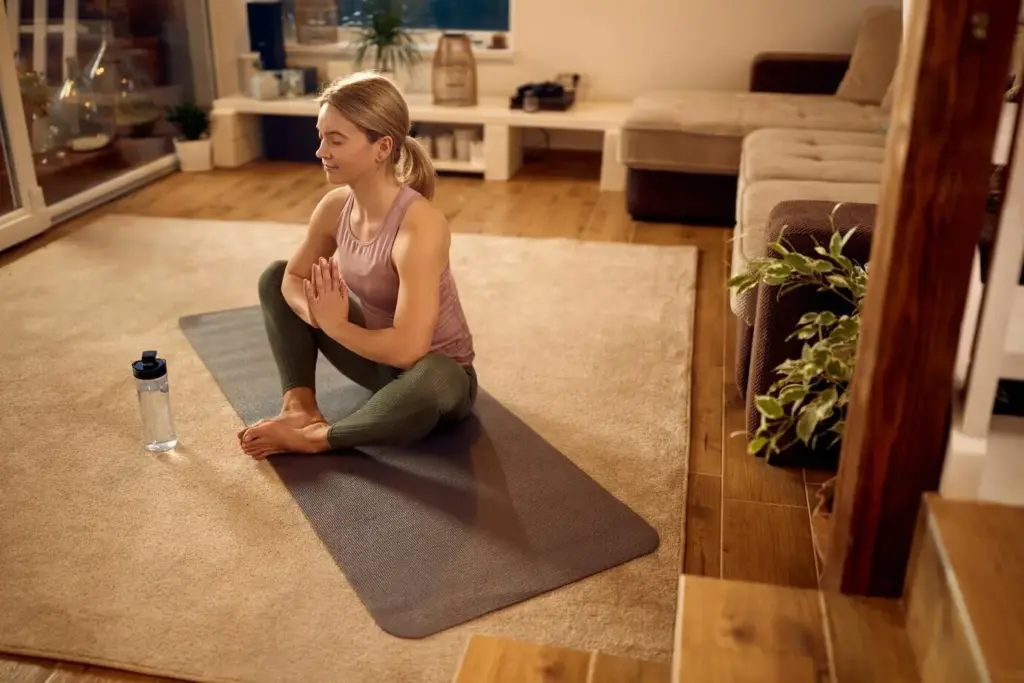
In the smallest rooms, comfort grows from repeatable gestures that tell your senses it is safe to release. Dim to an amber hush, switch the brightest lamp off first, and keep a single glow for reading or reflection. Add a warm backlight behind a headboard or plant to suggest depth. Combine light shifts with slow breathing to anchor calm. These micro rituals turn a compact room into a nightly refuge, where your thoughts settle and your body remembers how to rest.

A micro studio bedtime story

A designer friend lived in a room barely wider than her bed. She mounted a tiny uplight in a corner, set a warm reading lamp at shoulder height, and placed amber tape behind a shelf. At dusk, she dimmed the reading lamp and let the corner glow carry the space. Within days, she fell asleep faster. The room did not grow, but the mood did, reminding her that thoughtful light choreographs rest even when square footage cannot be negotiated.

Breathing with the dimmer

Pair a two minute breathing practice with a slow dim from forty percent to fifteen percent. Inhale for four counts, exhale for six, and nudge the slider down a touch after each cycle. Your visual field darkens in step with your nervous system, signaling the parasympathetic shift. In a compact room, this synchronized descent feels intimate and reassuring. Soon your body anticipates the sequence, releasing tension before you ask. Light becomes a companion, not a distraction, guiding you into restorative quiet.

Your turn, and a gentle invitation

Share a photo or sketch of your compact room’s evening setup and describe one change you will try this week, such as swapping a bulb, adding a shade, or bouncing light off the ceiling. I will collect favorite ideas and craft a follow up guide with reader tested tips. Subscribe for updates and tell me what calmed you most. Together we can refine small, beautiful rituals that make restful nights dependable, kind, and wonderfully simple to repeat in your own space.

Ketakevutukomo
Privacy Overview

This website uses cookies so that we can provide you with the best user experience possible. Cookie information is stored in your browser and performs functions such as recognising you when you return to our website and helping our team to understand which sections of the website you find most interesting and useful.